Hajri Book App — The 7 AM Site Ritual on Your Phone
A hajri book is the supervisor's morning ritual. 7 AM, walk the site, look at who showed up, mark each name P, A, or 1/2. The hajri book app turns that 5-minute paper ritual into a 30-second tap-tap on a phone — without changing what the supervisor actually does. Yojo runs hajri marking in Hindi, works offline at 7 AM when the site router is still off, and the same hajri entries roll into wages, muster rolls, and the labour book later in the day.
By the Yojo Product Team ·
Why Yojo Labour Attendance App?
Built for Indian construction sites
One-Tap Attendance
Mark attendance in one tap. No paper, no Excel.
100% Offline
Works without internet. Sync when connected.
Prevent Fake Attendance
Photo and geo-fence proof. No ghost workers.
What does a supervisor actually do during the 7 AM hajri call?
What does a supervisor actually do during the 7 AM hajri call?
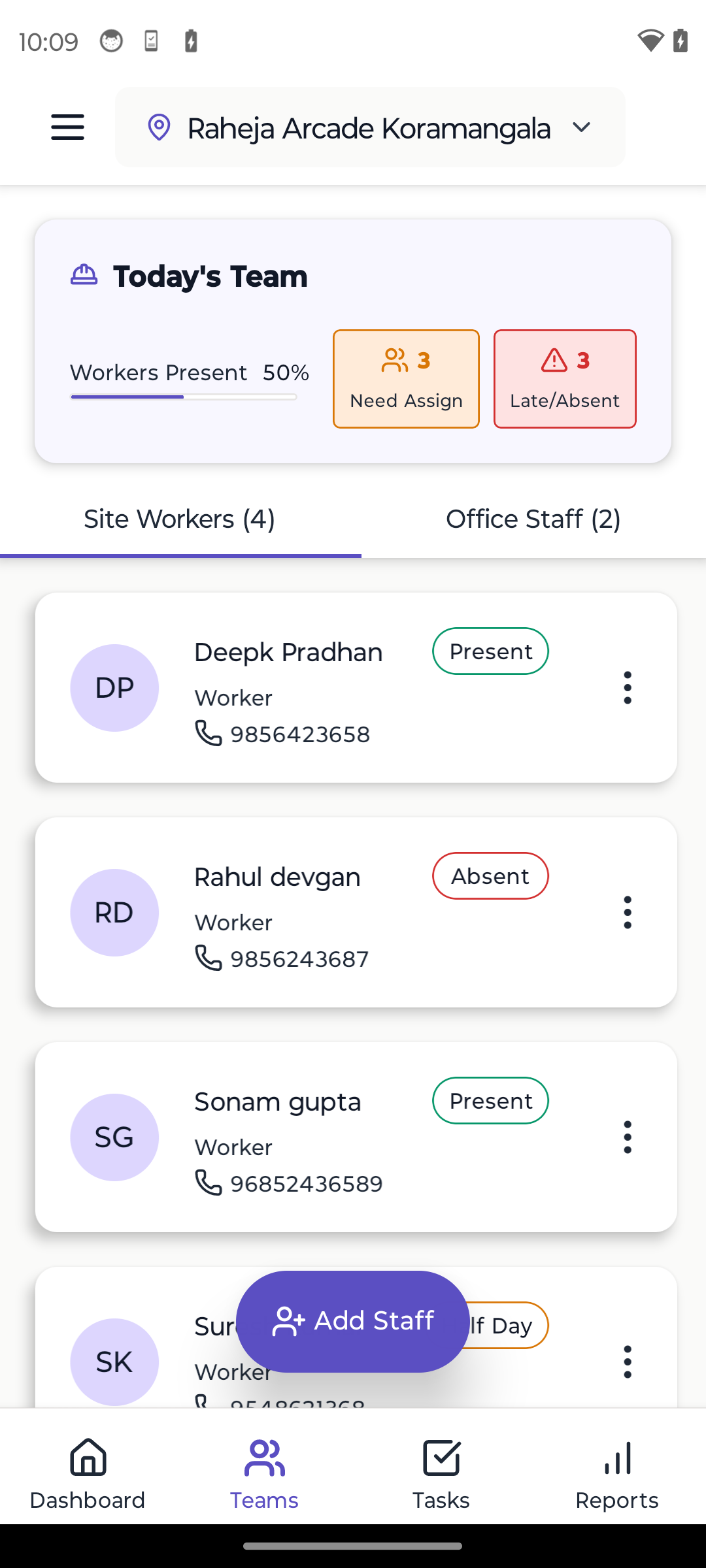
Hajri is not data entry. It is a routine — supervisor stands at the site gate, calls out names from the labour list, and marks P next to the ones who answer. The whole thing takes 4 to 7 minutes for a 30-worker crew. A hajri app that takes longer than that gets abandoned within a week. Yojo loads the worker list on one screen, lets the supervisor tap P / A / Half / OT in one motion per name, and is done before the chai arrives.
Step 1: Open Yojo and pick today's site
If you only work one site, Yojo defaults to it. Multi-site supervisors switch with one tap (or auto-switch via geo if enabled). The worker list for today loads instantly — pre-cached so it works even before the phone touches network.
Step 2: Tap P / A / Half / OT per worker
Single-tap marking. Long-press a name to add overtime hours. Swipe right to convert "absent" to "half-day" if the worker walks in late. Every tap is timestamped — there is no "what did I mark at 7:12 versus 7:18" confusion.
Step 3: Add a photo or note for any disputed entry
For workers you might dispute later (or a casual who joined mid-day), tap the camera icon — capture a photo and a short note. Attached to the hajri entry, viewable by the contractor in the dashboard, available in the muster roll PDF for compliance.
Site-by-site morning marking when you run multiple projects
A supervisor walking three buildings on the same campus does not want one giant hajri book — they want one per site. Yojo defaults the morning view to your current site (auto-detected if you use geo) and switches with one tap. The hajri book for Building A stays separate from Building B even though both run off the same phone, the same supervisor, the same 7 AM walk.
Why does a tamper-proof hajri book matter for client compliance?
When a principal contractor or a labour inspector asks "show me hajri for the past two months", a paper hajri book is hard to defend — entries can look retro-written, dates can be off, and a missing page is a real problem. Yojo timestamps every hajri mark with the supervisor name and the time of marking. Late edits show up as separate edit entries. The PDF you hand the client (or the inspector) is auditable in a way paper has never been.
How a Pune mason team eliminated monsoon roll-call disputes
Sunil M. runs an 18-worker mason team across small residential projects in Pune. Every monsoon, his paper hajri register became a flashpoint: pages got wet, names got smudged, and at month-end three or four workers would dispute their counted days. After moving the hajri book to Yojo, the daily entries are timestamped, geo-tagged where useful, and never lost to rain. Monsoon-period disputes dropped to zero across his last two seasons. Generic pattern Yojo sees with monsoon-exposed crews; results vary by paper-discipline baseline.
Compliance context: the muster roll Yojo generates from hajri
Indian construction principals (L&T, Tata Projects, state PSUs) typically require a daily muster roll certified by the site engineer. Under the Contract Labour (Regulation and Abolition) Act 1970, the principal employer can hold the contractor liable for missing muster records. A hajri-marking app that auto-generates a muster roll in the principal's required format closes this compliance gap. The Ministry of Labour & Employment publishes the standard muster roll formats at labour.gov.in, and most state labour departments accept the equivalent digital PDF if entries are timestamped and the file is signed by the contractor. Yojo generates this from the same hajri data the supervisor marks at 7 AM.
Who actually marks hajri in the Yojo app
Site supervisors marking 5 to 80 workers per site at 7 AM. Mukadams running a 20-person crew across three sub-jobs. Junior engineers covering hajri on days the regular supervisor is off. Sub-contractors marking their own crew while the principal's supervisor watches. The role permissions are configurable — one supervisor cannot edit another supervisor's entries without leaving an audit trail.
Start marking hajri free — works offline from day one
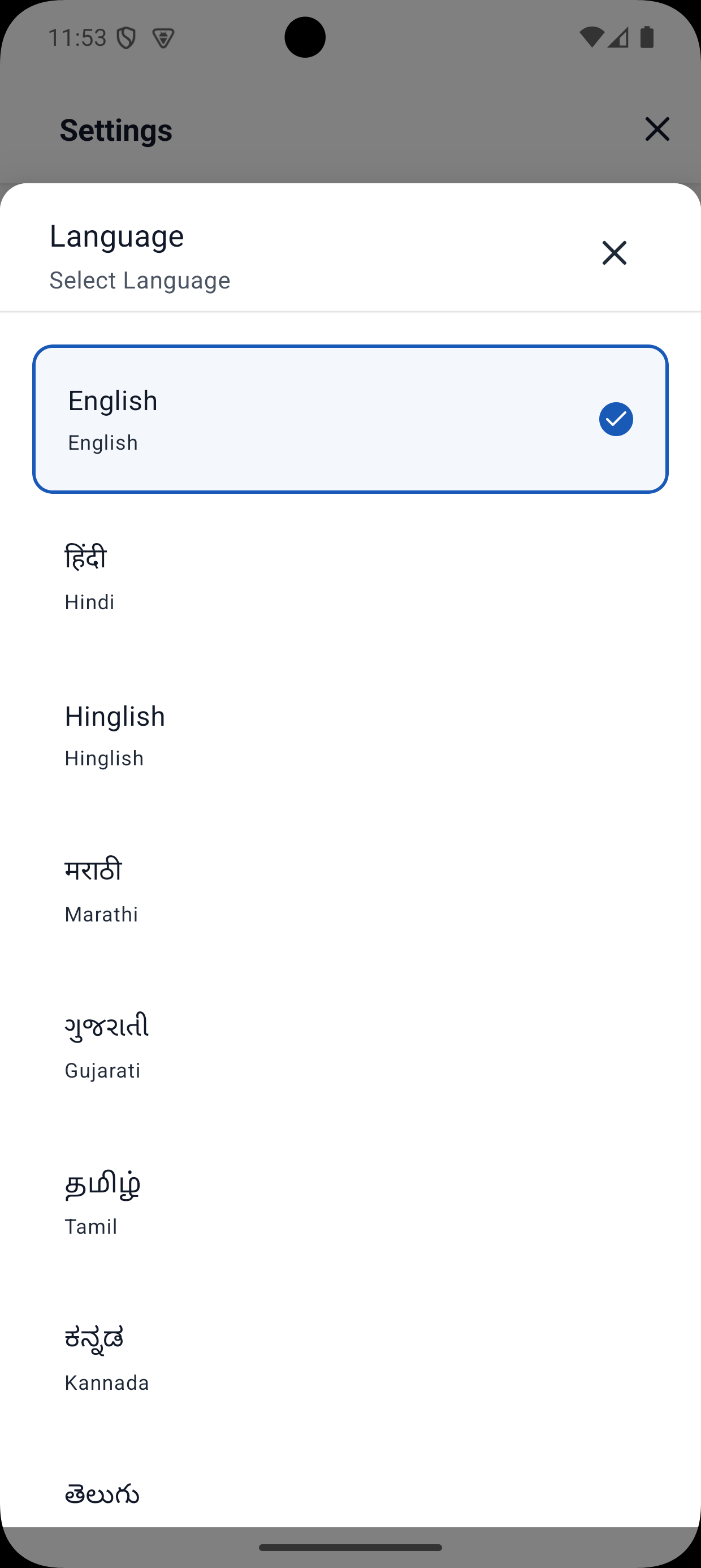
Download Yojo, add your worker list (or import from Excel), and the first 7 AM hajri call works the next morning. Free plan available — no card needed. Marking works fully offline; sync happens whenever the phone touches network later in the day.
How Yojo Works
- 1
Download the App
Get Yojo free from Google Play Store. No signup needed to start.
- 2
Add Your Sites & Team
Add your construction sites, workers and subcontractors in minutes.
- 3
Start Managing
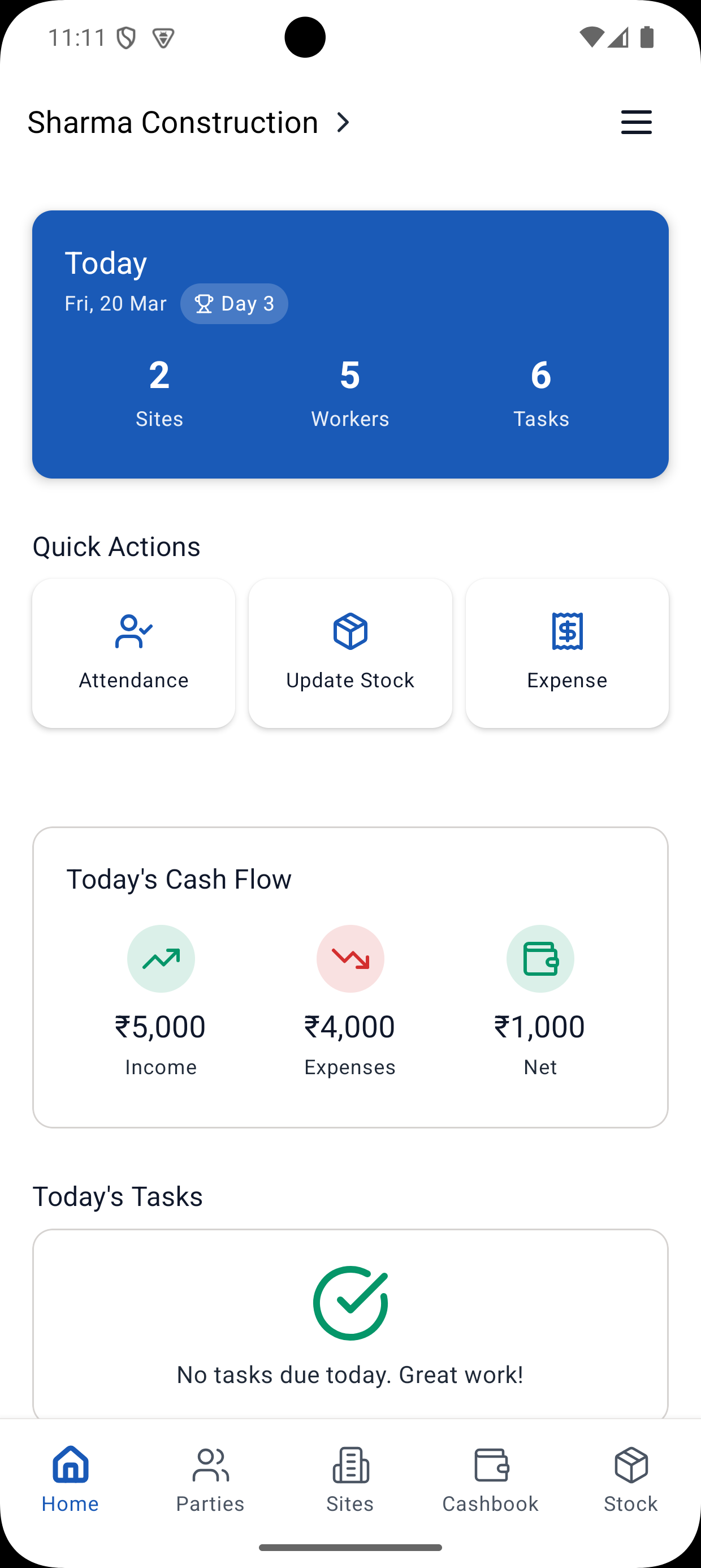
Track attendance, wages, expenses and materials. Works 100% offline.
Hajri book vs muster roll vs attendance register
Hajri book is the supervisor's daily working register — informal, hand-marked, used at the site. Muster roll is the formal compliance document — the same data, formatted for the principal contractor or the labour department, with worker IDs and totals. Attendance register is the umbrella English term. Yojo lets you mark hajri in the supervisor's natural workflow, then generates the muster roll on demand from the same data — no second pass, no re-typing.
For how hajri connects to the labour book, pagar khata, and the contractor-hierarchy roles (thekedar, mukadam, mate, mistri, rajmistri, beldar) plus regional language variants, see the central [labour terminology glossary](/en/labour-terminology/).
What contractors say
Trusted by Contractors Across India
See what our users have to say about managing their construction business with Yojo.
"Earlier I used to sit with registers till 8. Now I close by 6 and still send the DPR to the client."
"Fifty workers, one phone. I used to worry about wrong counts—now I just tap and it’s done."
Names changed to protect privacy. Based on real user experiences.
FAQ
Last updated: 19 May 2026
From Site to Salary, Track Everything
Download Yojo
Free on Android

Authoritative resources
Wage, BOCW, and EPF compliance statements on this page are based on primary government sources. Direct links below:
- Ministry of Labour & Employment, Government of India
Central labour notifications, the BOCW Act, EPF, ESI, and Contract Labour Act texts.
- BOCW Central Portal
Building and Other Construction Workers Welfare Board — registration, cess, and benefits.
- Employees Provident Fund Organisation (EPFO)
PF contribution rules, threshold compliance, and member registration.
- ILO India — Labour Standards
International Labour Organization country profile and standards for India.
