Most Indian contractors still start with a paper labour attendance register or muster-style book. That is normal—paper is visible, cheap, and everyone understands it. The question for 2026 is not “paper or app?” but when digital saves money and time without creating new fights at the gate.
This guide compares paper vs digital labour registers for construction: what each is good at, where paper fails, and how to migrate without losing crew trust. For product workflows, see labour attendance app, attendance register app, and our notebook vs app comparison.
What a labour attendance register must do (paper or digital)
Whether you use a bound book or an app, the job is the same:
- Identify the worker (name, role, or ID your site uses).
- Mark each day clearly: present, absent, half day, leave, OT.
- Connect to pay—daily wage, weekly, or monthly—so totals match what you actually pay.
- Survive disputes—you can show what was recorded, when.
Digital adds backup, search, and exports; paper adds familiarity at the cost of manual math and damage. If you operate in multiple cities, local guides like attendance app for Mumbai, Delhi, and Bengaluru help explain how sites in those markets typically run registers.
Where paper still wins (short term)
- Zero setup—open a notebook and start.
- No charging—works when power is unreliable.
- Obvious to workers—everyone has seen a register before.
For very small crews and one site, paper can be “good enough” until you lose a page in the rain or two supervisors disagree on the same week.
Where paper fails (medium and large sites)
- Illegible or inconsistent entries—night shifts, rain, rushed handwriting.
- No single source of truth—duplicate copies for client vs office vs site.
- Math errors—OT, half days, advances; Excel rescue adds a second system.
- No backup—fire, water, or “lost register” stories are common in audit threads.
Digital does not remove discipline; it reduces transcription errors and speeds reconciliation when the app is built for offline construction sites (see how contractors track attendance offline).
What “good digital” looks like
A digital labour register should:
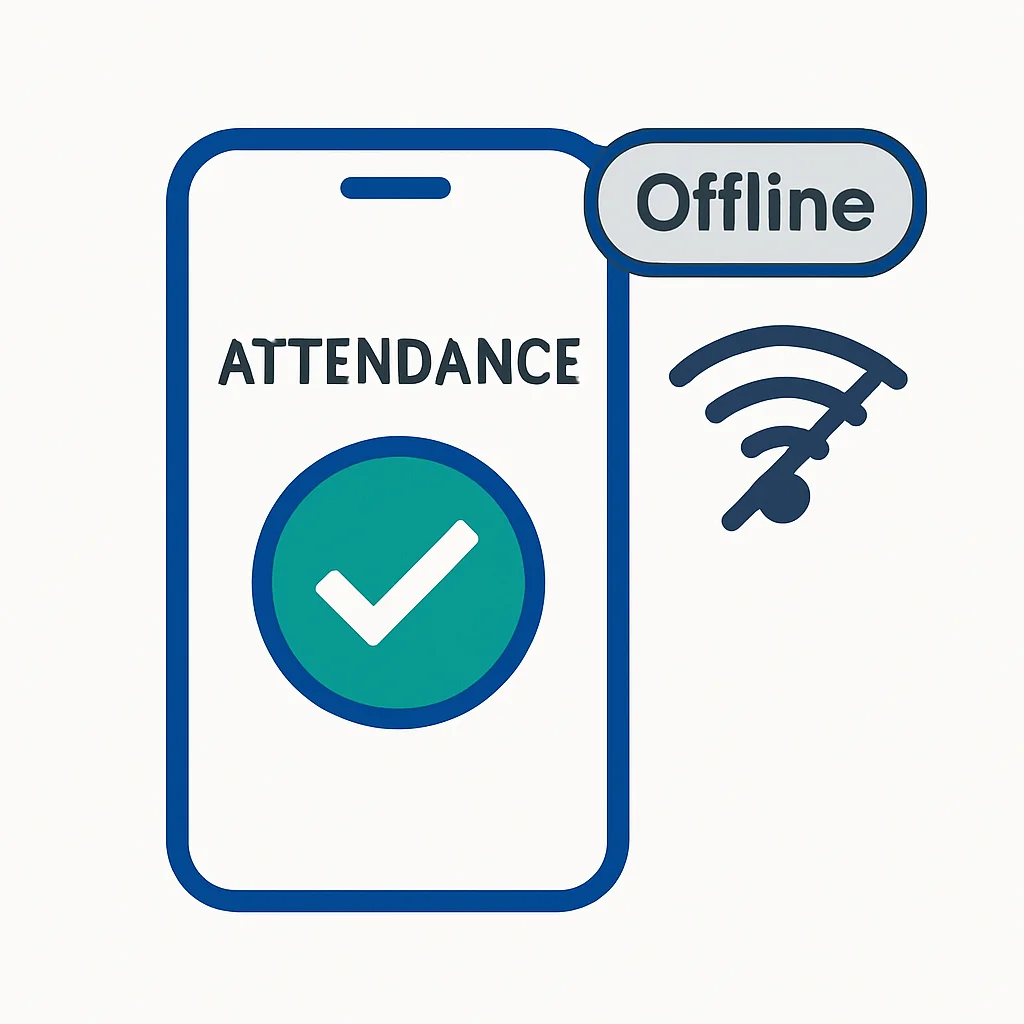
- Work offline for marking and viewing recent days—no “white screen” in the basement.
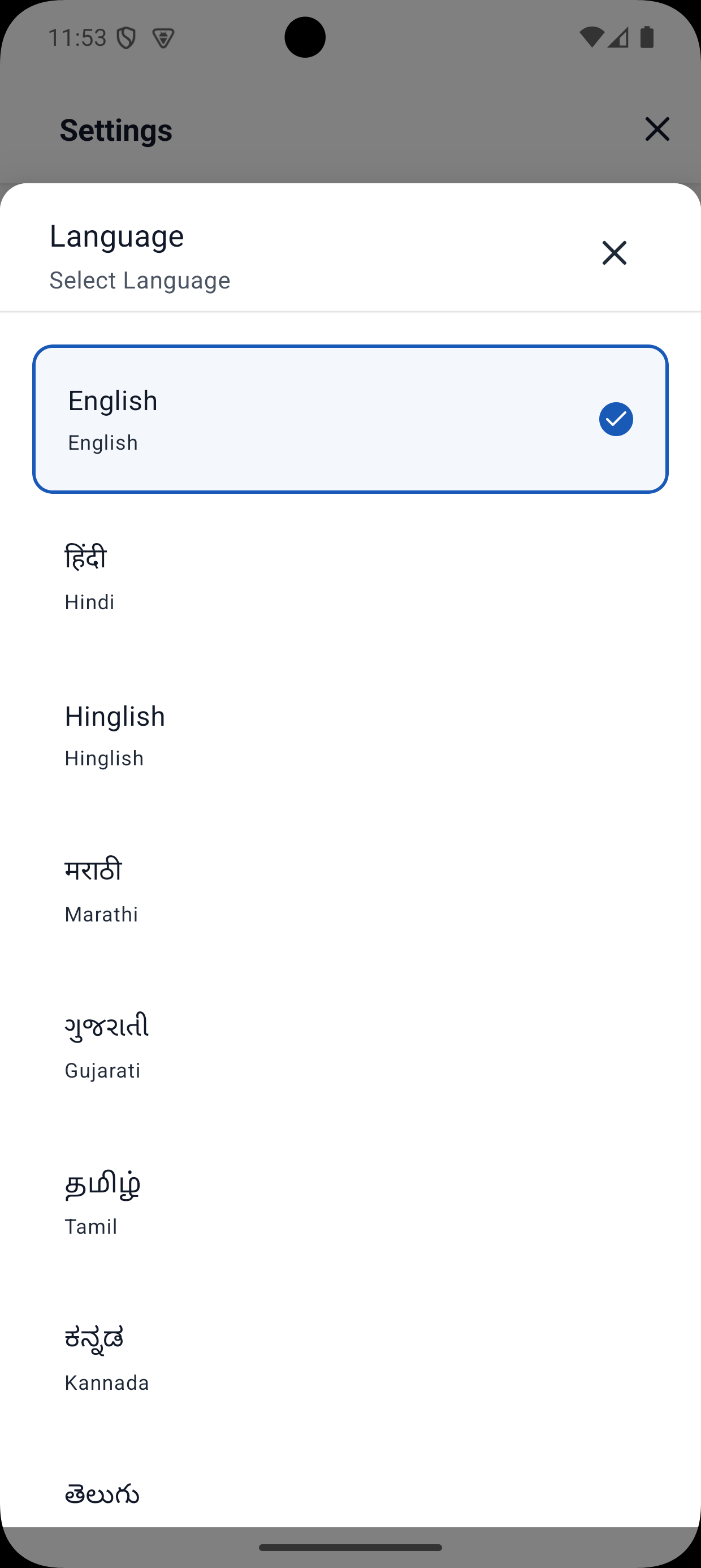
- Support Hindi and regional languages so foremen are not fighting English-only labels.
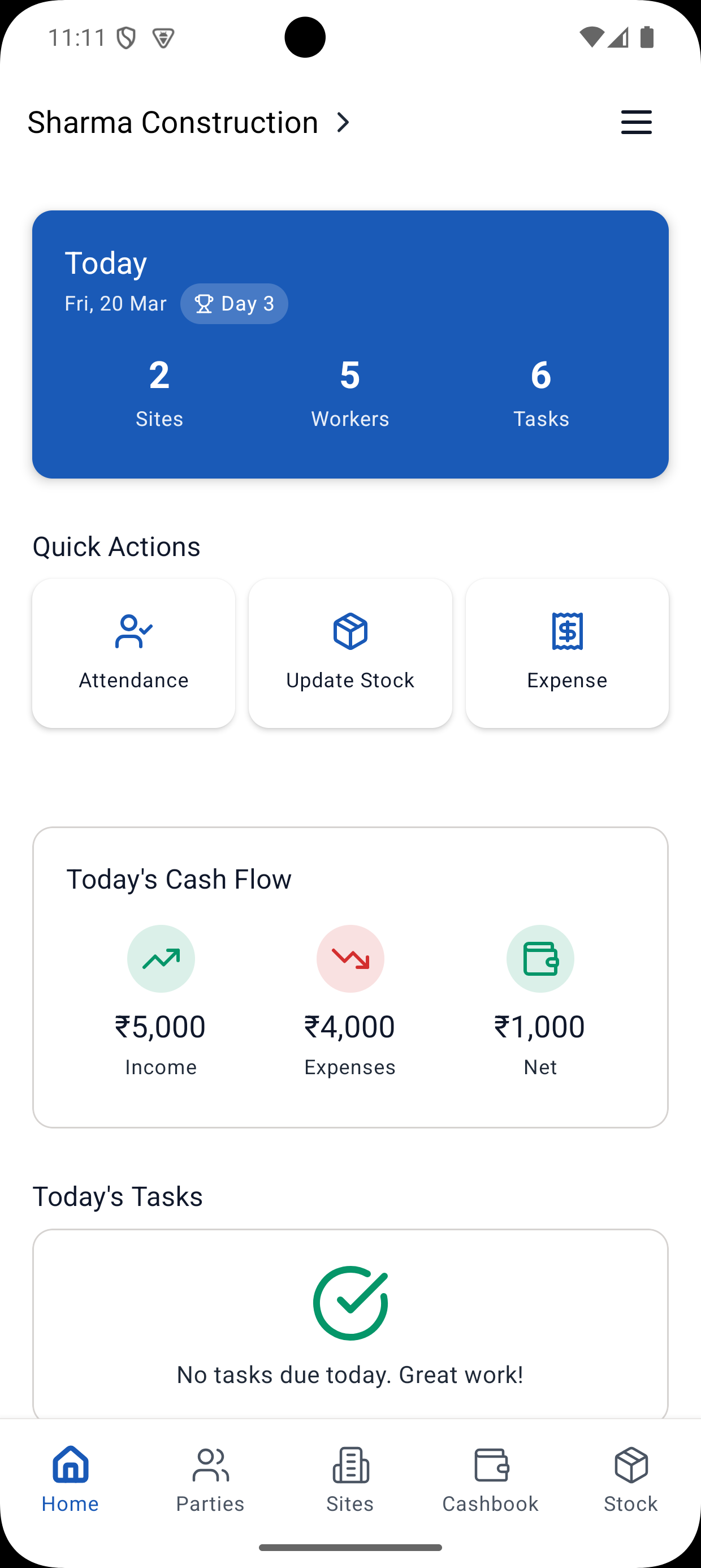
- Link attendance to wages—pagar khata style flows—so you are not maintaining two parallel books.
- Export PDFs your client can read—aligned with muster roll expectations where applicable.
If you are evaluating tools, use the best attendance app features checklist before you standardise.
Paper vs digital: quick comparison
| Topic | Paper register | Digital register (good app) |
|---|---|---|
| Speed at gate | Fast to open | Fast once workers are onboarded |
| Backup | Photocopy / photo | Cloud sync + export |
| Multi-site | Easy to mix up | Site-wise separation |
| OT / half day | Manual totals | Rules + rollups |
| Audit trail | Depends on discipline | Timestamped history |
| Training | Low | Short, but required |
For a deeper format discussion, see how to maintain a labour attendance register in India.
Migration path that works on real sites
- Keep the book for 1–2 weeks while you mirror entries in the app.
- Pick one site (or one supervisor) to own the cutover.
- Align on codes—P/A/HD/OT—the same symbols you already use.
- Reconcile weekly—app totals vs notebook; fix process, not people.
- Phase out duplicate entry once exports match.
If your team uses hajri vocabulary at the gate, pairing hajri app pages with pagar khata language in training reduces confusion.
City-specific reality
Labour markets differ by city—rates, mix of trades, and how clients expect reports. Programmatic city pages (examples: Hyderabad pagar khata, muster roll in Chennai) sit alongside state-wide guides; rates should still be verified locally—see e.g. construction labour rates in Mumbai or the labour rates India guide.
When to stay on paper longer
- You have one site, few workers, and no OT complexity.
- You are not asked for PDFs or multi-site rollups.
When to prioritise digital
- Multiple sites or multiple supervisors marking attendance.
- Frequent OT or advances.
- Client or audit requests for dated, structured exports.
Free tools that bridge paper and PDF
Even before full app adoption, you can standardise outputs:
Bottom line
Paper is not “wrong”—it is fragile at scale. Digital is not “automatic”—it needs offline-first design and clear exports. The contractors who win here run a deliberate migration, not a sudden switch.
If you are ready to consolidate attendance, wages, and exports in one flow, start from the labour attendance app hub and add city pages as you expand.
നിങ്ങളുടെ നിർമ്മാണ ബിസിനസ്സ് രൂപാന്തരപ്പെടുത്താൻ തയ്യാറാണോ?
ഇന്നുതന്നെ Yojo ഉപയോഗിച്ച് നിങ്ങളുടെ സൈറ്റുകൾ കാര്യക്ഷമമായി നിർവ്വഹിക്കാൻ ആരംഭിക്കുക.
Yojo സൗജന്യം ട്രൈ ചെയ്യുകConstruction Management Expert
Senior Construction Consultant at Yojo
10+ years അനുഭവം
അവലോകനം ചെയ്ത തീയതി 2026 മാർച്ച് 23
Yojo Team സംബന്ധിച്ച്
10+ വർഷം അനുഭവമുള്ള നിർമ്മാണ നിർവ്വഹണ വിദഗ്ദ്ധൻ, ഇന്ത്യൻ കരാറുകാരന്മാർക്ക് മികച്ച ബിസിനസ്സുകൾ നിർമ്മിക്കാൻ സഹായിക്കുന്നു. നിർമ്മാണ സൈറ്റുകൾക്കുള്ള ഡിജിറ്റൽ രൂപാന്തരണത്തിൽ വൈദഗ്ദ്ധ്യം.
ബന്ധപ്പെട്ട പേജുകൾ
തൊഴിലാളി ആപ്പ്
ഇന്ത്യയിലെ മികച്ച തൊഴിലാളി ആപ്പ് — സാന്നിധ്യം, വേതനം, പേയ്റോള്
തൊഴിലാളി സാന്നിധ്യ ആപ്പ്
ഒരു ടാപ്പിൽ സാന്നിധ്യം, അർദ്ധ ദിവസം, ഓവർടൈം അടയാളപ്പെടുത്തുക
ദൈനംദിന വേതന ആപ്പ്
സാന്നിധ്യത്തിൽ നിന്ന് ദൈനംദിന വേതനം സ്വയമേവ കണക്കാക്കുക
ഇന്ത്യയിലെ മികച്ച കോൺട്രാക്ടർ ആപ്പുകൾ
ഇന്ത്യയിലെ മികച്ച കോൺട്രാക്ടർ ആപ്പുകൾ താരതമ്യം ചെയ്യുക
Explore by City
മുംബൈ Material Rates Today
Current market rates for construction materials in മുംബൈ, മഹാരാഷ്ട്ര
Rates are indicative and may vary by supplier and location
View മുംബൈ page →